Sub-Project 3
Development of indigenous deep brain recording and stimulation electrodes for cognitive rehabilitation
OVERVIEW
This project aims to develop affordable, indigenous deep-brain recording and stimulation technologies alongside a translational platform for cognitive rehabilitation. The program combines the development of clinically scalable MER and sEEG electrodes with behavioral neuroscience, neural recordings, and decoding algorithms in nonhuman primates performing naturalistic decision-making tasks. By studying how brain circuits such as the anterior cingulate cortex support learning and adaptive behavior, the project seeks to develop next-generation closed-loop neuromodulation strategies for cognitive recovery after stroke and neurological disorders, while simultaneously strengthening India’s domestic neurotechnology ecosystem.
WHY EPILEPSY PATIENTS?
Epilepsy patients undergoing pre-surgical monitoring provide a rare and invaluable window into the live human brain at millisecond and millimeter resolution. These individuals have electrodes implanted in cortical and subcortical areas for clinical purposes; with their consent, we conduct cognitive experiments during their monitoring period. Their brain activity during tasks provides direct insights into the neural computations that co-processors need to replicate.
RESEARCH GOALS
Develop Indigenous MER and sEEG Systems
Design, validate, and clinically translate affordable deep-brain recording and stimulation electrodes tailored for the Indian neurosurgical ecosystem.
Establish a Scalable Neurodevice Manufacturing Pipeline
Build a sustainable domestic ecosystem for high-quality neural implants, reducing dependence on costly imported neurotechnology.
Develop Translational Models of Cognitive Dysfunction
Use ecologically valid decision-making paradigms in nonhuman primates to study neural mechanisms underlying learning, cognitive flexibility.
Enable Adaptive Closed-Loop Neuromodulation
Combine neural decoding with targeted brain stimulation to develop cognitive rehabilitation strategies for stroke and neurological disorders.
CURRENT STATUS
- MER prototypes fabricated and tested with successful preliminary rodent electrode recordings.
- Manufacturing workflows and regulatory documentation are in place and being refined toward GMP standards.
- Indigenous sEEG connector systems have been reverse-engineered and replicated in-house.
- Dynamic foraging behavioral assays have been validated in over 1000 human participants.
- NHP facility, approvals, and animal training pipeline are operational at IIT Kanpur.
INFRASTRUCTURE
- Rodent electrophysiology and neural stimulation setup for in-vivo device validation
- CCSEA-approved nonhuman primate facility with behavioral training and neural recording capabilities
- Prototype fabrication and testing pipeline for MER and sEEG devices through Eywa Neuro and collaborators
- Validated behavioral and computational neuroscience platform for dynamic foraging and neural decoding studies
- Clinical and translational partnerships with Jaslok (Mumbai) and Deenanath Mangeshkar (Pune) hospitals for surgical testing and future deployment
CLINICAL PARTNERS
- Amrita Advanced Centre for Epilepsy (Kochi)
- MS Ramaiah Memorial Hospitals (Bengaluru)
- Sree Chitra Tirunal Institute (Thiruvananthapuram)
- Deenanath Mangeshkar Hospital (Pune)
EXPECTED OUTCOMES
- Affordable, Made-in-India brain recording and stimulation devices
- Improved access to advanced neurosurgical technologies in India
- New insights into how the brain supports learning and decision-making
- Translational models for understanding cognitive recovery after stroke
PEOPLE
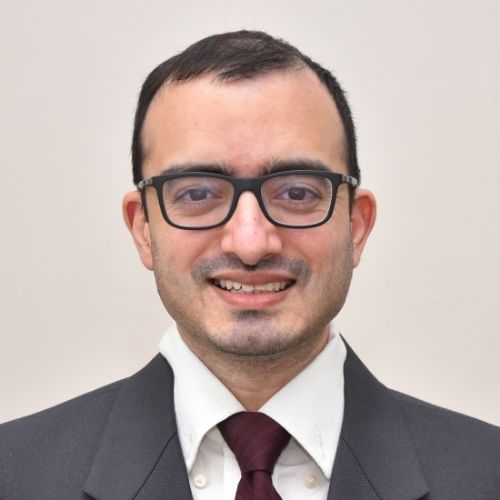
Arjun Ramakrishnan
IIT Kanpur & Eywa Neuro,
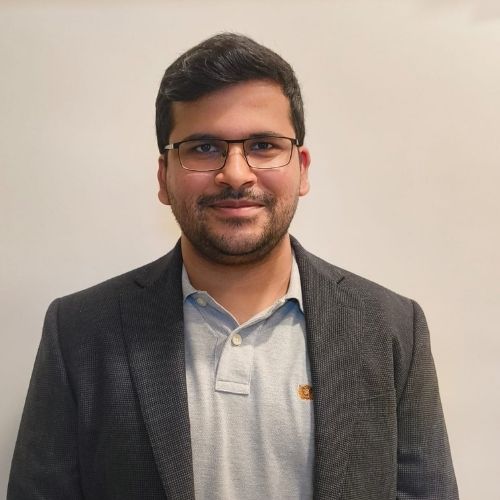
Kaustubh Deshpande
Eywa Neuro, ex-Neuralink, ex-Neuronexus
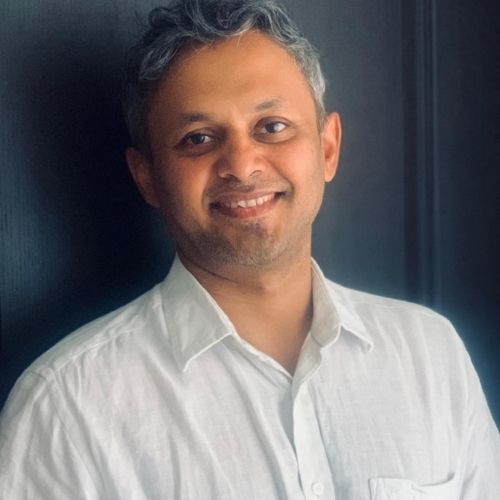
Dr. Nilesh Kurwale
Neurosurgeon, DMH, Pune
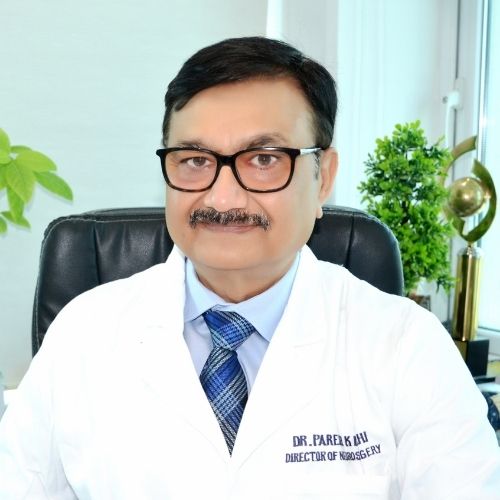
Dr. Paresh Doshi
Neurosurgeon, Jaslok, Mumbai
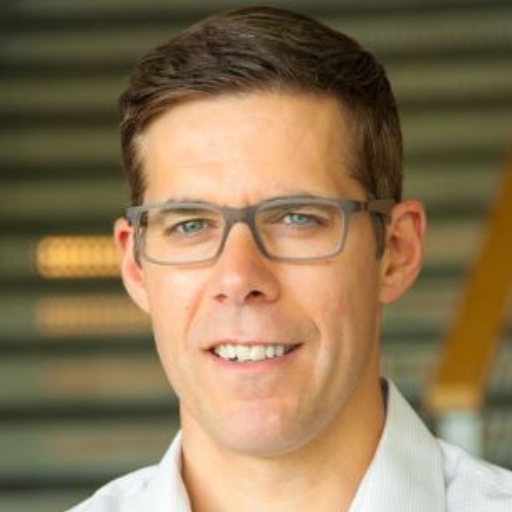
John Seymour
UT Health (Advisor)

Kshitij Kumar
Research Engineer, IITK